
At 8.15 on a wet Tuesday, a bus contains several dozen people who would rather be somewhere else. Someone has been awake with a baby since three. Someone is rehearsing what to say at a hospital appointment. Someone has already done half a day’s work. You can’t identify these people by looking at them. That uncertainty is a good starting point for considerate behaviour: assume there is more going on around you than you can see.
Next to the weather, Londoners love to grumble about nothing more than public transport.
Public transport asks strangers to share space under conditions none of them entirely controls. We cannot choose our fellow passengers, the temperature or whether the train stops inexplicably outside a station. We can choose where we put our bag and whether everyone has to listen to our phone. A tolerable journey depends on enough people bothering with those small decisions.
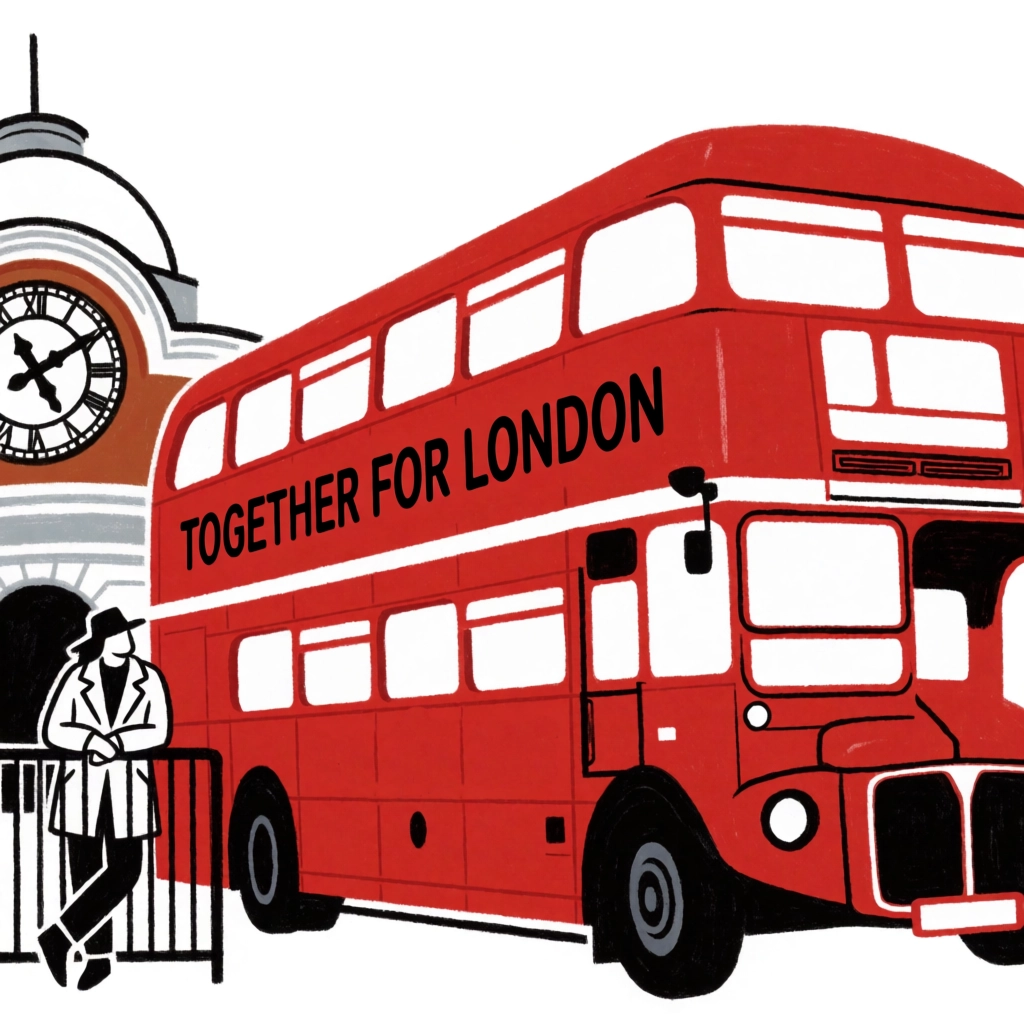
There’s Room Enough For All of us Together
Start at the doors. Let passengers get off before boarding, and leave an actual route through. Standing directly in front of the opening while looking impatient does not constitute letting people off. Neither does leaving a gap just wide enough for somebody travelling without shoulders.
Once aboard, move into the available space. The area beside the doors is attractive because it promises an easy escape, but occupying it while others struggle to board turns your convenience into their obstacle. If you must stand there, step aside or briefly step off when necessary. Watch what is happening around you.
Your belongings need supervision too. Take a bulky rucksack off your back on a crowded service; otherwise, every turn becomes an experiment conducted on somebody else’s face. Keep bags off seats when passengers need them, and avoid blocking aisles with luggage. When travelling with something awkward, make the effort visible. People can be remarkably patient with a person who is trying.
Offering a seat requires attention rather than ceremony. A simple “Would you like to sit down?” gives someone a choice without making them explain their body to a carriage of strangers. Accept either answer gracefully. Equally, if you need a seat, asking is reasonable. Pain, fatigue and difficulty balancing are not always visible, and the apparently healthy person already sitting down may need that seat themselves.
Wheelchair spaces deserve particular care. Keep them available for their intended use, follow the operator’s instructions, and cooperate when space needs clearing. Ask before helping someone or touching their mobility equipment. Assistance should make the journey easier for the person receiving it.
Keep your journey from taking over theirs
Sound travels further than people seem to imagine when holding a phone. A video watched without headphones recruits the entire carriage as its audience. Several people doing it at once produce the peculiar misery of hearing six programmes while being able to follow none. Use headphones at a volume that stays with you. Keep calls reasonably brief and your voice low. If the connection is poor, shouting rarely improves the signal; it merely gives strangers a more complete account of your disagreement with Darren.
Food calls for similar judgement. A long journey may reasonably involve lunch. Still, smell, mess and the available space matter. Choose something manageable, contain the packaging and take your rubbish away. Keep feet off seats. Somebody will shortly sit there in clothes they hoped to keep clean.
And of course, no matter how excited you are on your way to Brunton Park, it’s not likely that the rest of the bus will enjoy your full-throated renditions of “We are going up, even if everyone riding with you is as much a fan of Carlisle United as you are (if not more).
Consideration also means tolerating ordinary human difficulty. Babies cry. Children get tired. People cough, drop things, misunderstand announcements and discover, at the worst possible moment, that their ticket is somewhere inside a very complicated bag. An exhausted parent usually knows their child is making noise. Your theatrical sigh supplies no missing information.
There is room to speak up about genuinely disruptive behaviour, but leave people a way to respond without humiliation. “Could you use headphones, please?” makes a clear request. A sarcastic speech invites a contest. If someone seems threatening, prioritise your safety and seek help from transport staff rather than trying to win the carriage’s approval.
The best journeys contain small accommodations almost nobody remembers: a knee moved, a bag lifted, a doorway cleared before anyone has to ask. Nobody receives applause for noticing that another person needs room. Yet these gestures change the experience of travelling together. You need not become extravagantly friendly. You may remain tired, silent and thoroughly unenthusiastic about the morning. Just keep some attention available for the people sharing it. They have places to reach and private burdens to carry. Making their journey slightly easier is useful work, and most days it costs almost nothing at all.